All Categories
Featured
Table of Contents
Congratulations on the adoption of your brand-new pet dog! We are thrilled that you chose to take on an animal from the sanctuary and conserve a life! When a pet dog or pet cat is taken on from the sanctuary, he/she is probably current on injections, has actually been purified or neutered and has actually been micropchipped.

Furthermore, vaccines for young puppies and kittycats are offered in a collection. This indicates that while a newly embraced puppy or kittycat might be current on his/her vaccinations now, he/she will need added inoculations to stay up to day. A check out with your vet may also consist of a fecal examination to look for digestive bloodsuckers and a blood panel to utilize as a "standard" and to inspect internal organ function.
Whether you're performing fosterings in-person or essentially, there are bound to be some bumps in the roadway after an adopter brings a new animal home. To help support your adopters, utilize these six tips from the ASPCA's Client Services group: We recognize that most returns happen within 2 months post-adoption, and the bulk of those occur within the first two weeks.
Find Help For Your Adopted Child - Dfps Fundamentals Explained
For medical problems, have a checklist of regional vet clinics handy that you can show the adopter. Whether it's a personnel or volunteer doing your follow-ups, it is essential they recognize what to do if an adopter has a problem that requires further resolving. First, choose the standards for when a concern need to be intensified.

Recognize your subject matter specialists, like vets or behaviorists, that may be able to support the adopter. It's likewise important to have a strategy in position if the adopter presents you with an emergency situation concern that requires to be addressed right away. Ensure you have contact number for the topic specialists that would require to be spoken to in these instances so that you can reach them rapidly.
Some Ideas on Today Is National Love Your Pet Day, And While Mouse Is *Not* A Pet ... You Need To Know
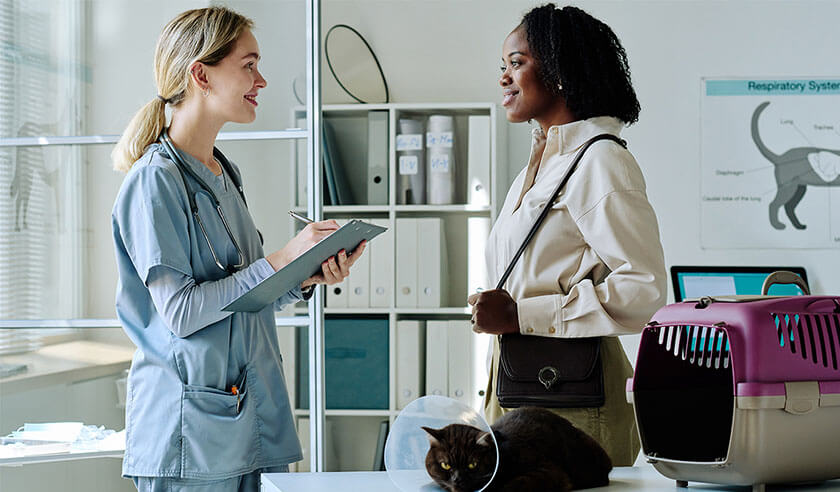
When you obtain your newly embraced family pet home and begin to get them worked out, it's time to obtain them in for a wellness examination at the veterinarian. Ideally, this occurs within the first week of getting back. This go to is an excellent time to assist your pet dog or cat have favorable organizations with journeys to the veterinarian so they do not create life-long concerns.
This is your opportunity to ask any concerns you have concerning your brand-new pet or cat. Protecting against fleas, ticks, heartworms, and internal bloodsuckers will aid to maintain your family pet healthy and balanced.
Thank you for picking to take on from Hawaiian Humane as your very first alternative! Go to any of our adoption areas throughout open hours and upon arrival, indicator into our visitor log using the QR code. This aids us comprehend that gets on school at any type of provided time and how we can best serve you.
The smart Trick of Charlotte Pet Adoption & Rescue: Dog & Cat Adoption - Hsc That Nobody is Talking About
Congratulations on the fostering of your new animal! We are thrilled that you made a decision to take on a pet dog from the shelter and save a life! When a dog or pet cat is embraced from the sanctuary, he/she is more than likely current on injections, has been spayed or neutered and has actually been micropchipped.

In addition, vaccinations for young puppies and kittycats are given up a series. This suggests that while a recently taken on puppy or kittycat may be existing on his/her vaccinations now, he/she will certainly require additional vaccinations to keep up to date. A visit with your veterinarian may additionally consist of a fecal test to check for intestinal tract parasites and a blood panel to make use of as a "baseline" and to check interior organ feature.
Whether you're conducting fosterings in-person or essentially, there are bound to be some bumps in the road after an adopter brings a new animal home. To help sustain your adopters, utilize these 6 suggestions from the ASPCA's Client Solutions group: We understand that most returns take place within two months post-adoption, and the bulk of those occur within the initial two weeks.
The Facts About Chris Is By A Miracle Still Alive! Euthanasia Fri Morning 2/20 ... - Reddit Revealed
For clinical issues, have a listing of local veterinary clinics handy that you can share with the adopter. Whether it's a team member or volunteer doing your follow-ups, it is necessary they recognize what to do if an adopter has a problem that needs more dealing with. Determine on the requirements for when a problem ought to be escalated.

Recognize your subject issue specialists, like vets or behaviorists, that might be able to sustain the adopter. It's likewise essential to have a plan in area if the adopter provides you with an emergency situation issue that needs to be addressed promptly. Make certain you have phone numbers for the subject specialists that would certainly need to be spoken to in these situations to make sure that you can reach them quickly.
Getting My Support After An Adoption - Family Services To Work
When you get your freshly embraced family pet home and start to obtain them worked out, it's time to get them in for a wellness examination at the veterinarian. Preferably, this occurs within the very first week of coming home.
This is your possibility to ask any type of questions you have regarding your new canine or pet cat. Create them down before your appointment to ensure you don't neglect anything!. Avoiding fleas, ticks, heartworms, and internal parasites will assist to maintain your family pet healthy and balanced. Your vet will certainly suggest a bloodsucker avoidance procedure, which might consist of dental medicine, injections, or topical applications.

Thanks for picking to adopt from Hawaiian Humane as your very first alternative! See any of our adoption places during open hours and upon arrival, indication right into our visitor log utilizing the QR code. This assists us comprehend who gets on university at any type of given time and just how we can best offer you.

Table of Contents
Latest Posts
How Small Business Use Of Ai Surges, Driving Daily Efficiency can Save You Time, Stress, and Money.
3 Ways Small Businesses Can Use Ai To Drive Growth - Questions
The 4-Minute Rule for Ai For Small Business: A Beginner's Guide - Microsoft
More
Latest Posts
How Small Business Use Of Ai Surges, Driving Daily Efficiency can Save You Time, Stress, and Money.
3 Ways Small Businesses Can Use Ai To Drive Growth - Questions
The 4-Minute Rule for Ai For Small Business: A Beginner's Guide - Microsoft